– Our Story
More than a museum
A family home, a remarkable collection and a legacy preserved for Pontefract.
About the Museum
The Elizabeth Love Museum occupies a historic building beside Pontefract Castle and preserves the former home and collection of brother and sister Elizabeth and Joe Love.
Their collection includes Yorkshire pottery, antique clocks, furniture and decorative objects, reflecting a shared interest in local craftsmanship and history.
The museum brings together the history of the building, the collection and the Love family, offering visitors an insight into both Pontefract’s past and the people who made this house their home.
The Guard House
From castle buildings to a family home
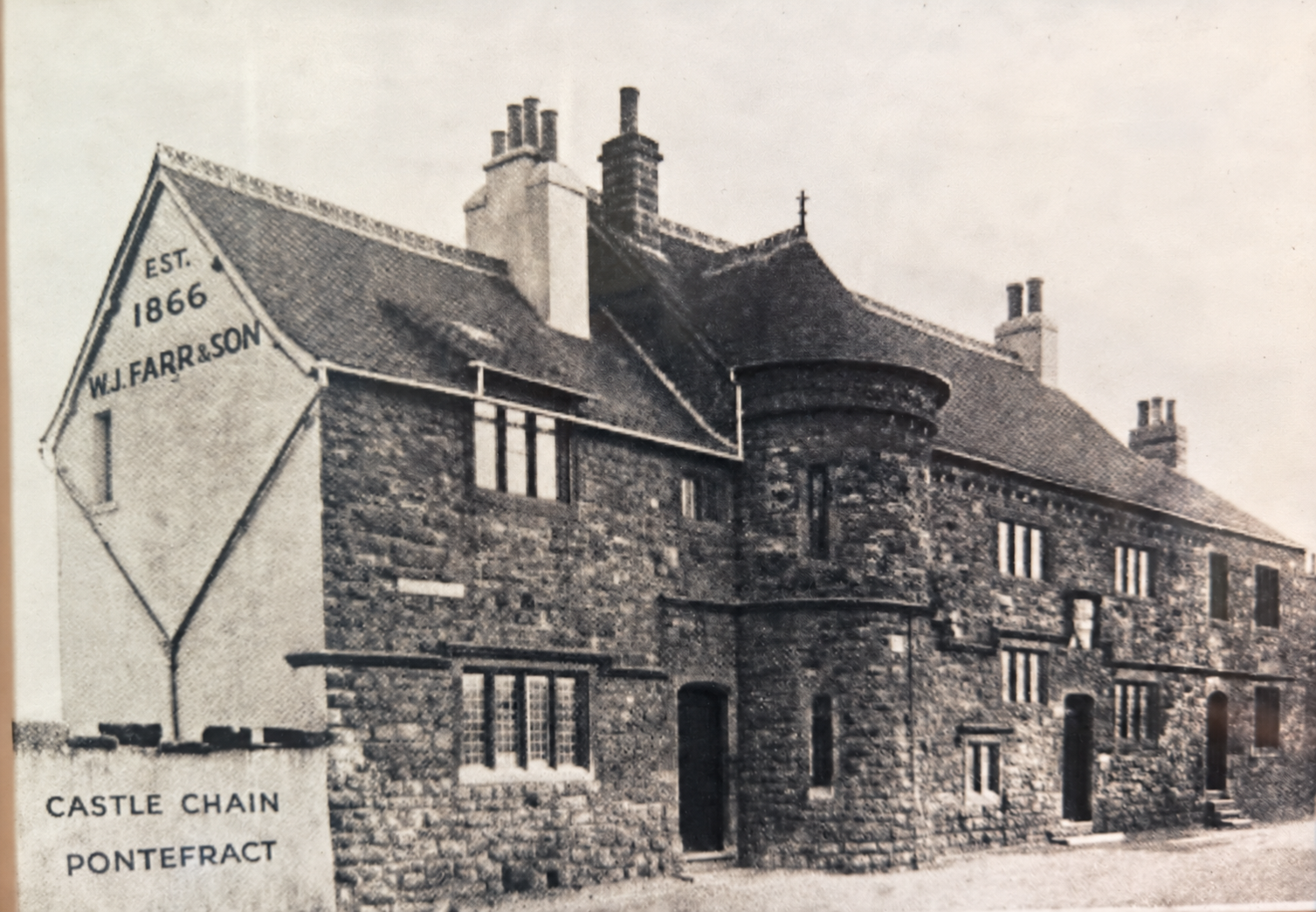
The museum occupies part of the historic Main Guard and barbican complex beside Pontefract Castle. The barbican formed part of the defences around the castle entrance. The earliest surviving buildings within the complex probably date from the late fourteenth or early fifteenth century and included accommodation and stables. An extension in the fifteenth century may have provided space for workshops.
Following the English Civil War, the building was remodelled as a debtors’ prison around 1656. It later accommodated French prisoners of war and, in 1901, became headquarters for the York and Lancaster Volunteers Battalion.
By 1920, the property housed Farr’s antiques shop, which Queen Mary visited in 1935. The building was subsequently converted to private housing, and the Love family moved in during the early 1960s. It became the home in which Elizabeth and Joe kept and displayed their growing collection.
The Grade II listed Castle Chain buildings have been extended and altered over several centuries. The late Victorian frontage gives them a Gothic appearance, with stone mullioned windows, oak doors and carved coats of arms. Behind the frontage, older features survive, including the stone spiral staircase connecting the basement and ground floor, timber beams and historic fireplaces.
The Love Collection
Pottery, clocks, furniture and decorative objects
The museum is home to a collection of pottery, antique clocks, furniture and decorative objects gathered by Elizabeth and Joe over many years. Much of their collecting focused on Yorkshire makers, whose work can be seen throughout the house.
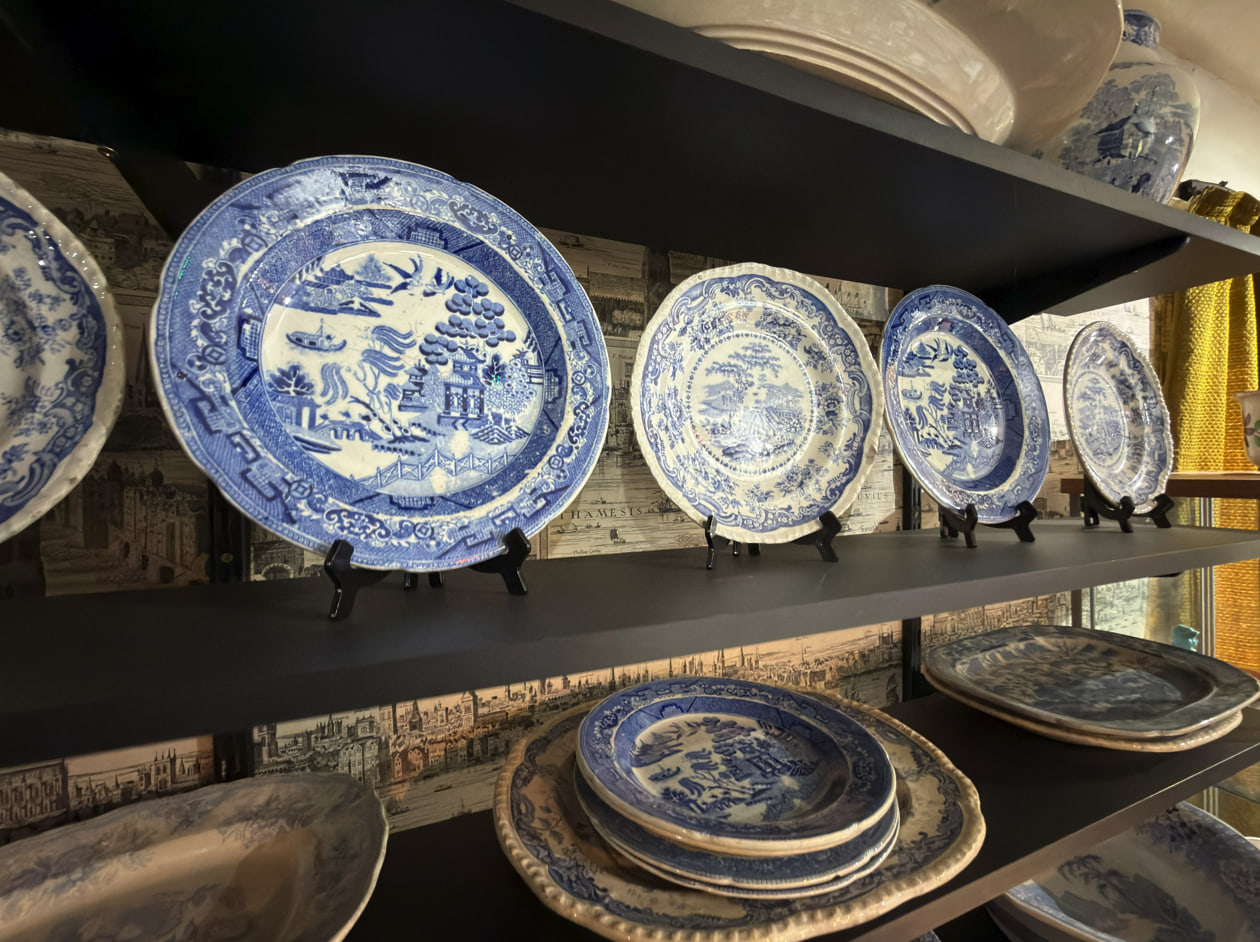
Visitors can see pottery made in Castleford and Ferrybridge, alongside English Delftware and Halifax Brownware. The displays include fine white Castleford wares and colourful Ferrybridge pieces, showing the different styles produced by the region’s potteries.
Pottery was an important local industry. Castleford’s manufacturers used local coal to fire their kilns and produced both everyday kitchenware and goods for export. David Dunderdale & Co. was one of the town’s best-known producers. The museum’s pottery collection preserves examples of this industry within the area where it developed.
The museum is also home to a range of antique clocks, including tall longcase clocks, smaller carriage clocks and wall clocks. Some date from the eighteenth century. Visitors can see clocks made locally in Pontefract by the Farrer family, Benjamin Booth and James Berry, as well as examples from other towns and cities, including Halifax, Manchester and Exeter.
Elsewhere in the house, visitors can see an early nineteenth-century piano, furniture from the Stuart period, parish chests and a William IV mahogany reclining armchair made by Robert Daws. The snug contains a Dunderdale tureen that was one of Elizabeth’s favourite pieces. Some objects have a story about how they reached the house: Joe once brought a longcase clock home from York by train.
Visitors explore the collection in the rooms where Elizabeth and Joe lived. The snug, which they used as their lounge, retains much of its original arrangement.
The guided tours explain the objects on display, the people who made them and how they became part of the family’s home.
The Love Family
A Shared Passion for Collecting
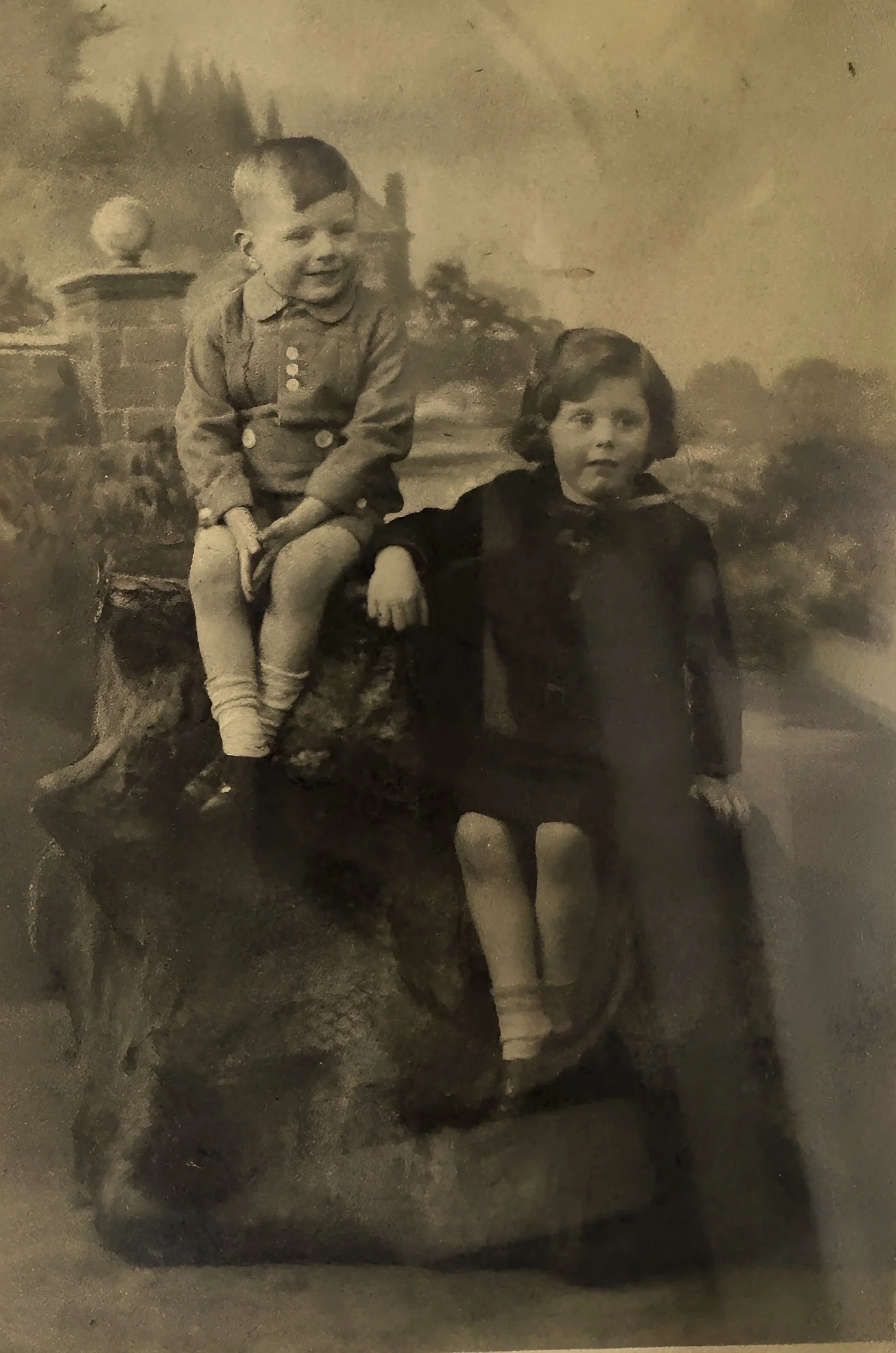
Elizabeth and her younger brother Joe grew up at Paddock Hook Farm in Barkisland, near Ripponden and Halifax. Their parents were George and Hannah Love, and George worked as a farmer. The family also had connections with Yorkshire’s mining industry: their grandfather had owned a colliery, while their grandmother’s father had worked as a miner.
Both attended Bowling Green School near Ripponden. Elizabeth began working at Marks & Spencer in Leeds in 1947. Joe, who was born in 1931, went into mining and later became a clerk at Micklefield Colliery. After their mother died in 1949, the family moved to Micklefield.
Elizabeth spent most of her working life in nursing. She trained in Cambridge and held staff nurse posts in Nottingham and at Pontefract General Infirmary. She later became a Ward Sister at Ackton before returning to Pontefract in the same role.
Around 1962, their father purchased Castle Garth at Castle Chain in Pontefract. The house became Elizabeth and Joe’s home and would eventually become the museum.
Alongside their working lives, Elizabeth and Joe shared a lasting interest in pottery, antiques and craftsmanship. Over many years, they built the collection now displayed in the museum, with a particular interest in Yorkshire pottery and locally made clocks. These objects were part of their everyday surroundings, making Castle Garth both a family home and the setting for their collection.
Before he died, Joe expressed a wish that the collection should be preserved for the nation. Elizabeth honoured that wish by leaving the house and its contents in trust, along with funds to help establish a museum. Her bequest kept the home and collection together so that they could be shared with the people of Pontefract and visitors from further afield.
The Love Legacy
The people behind the museum
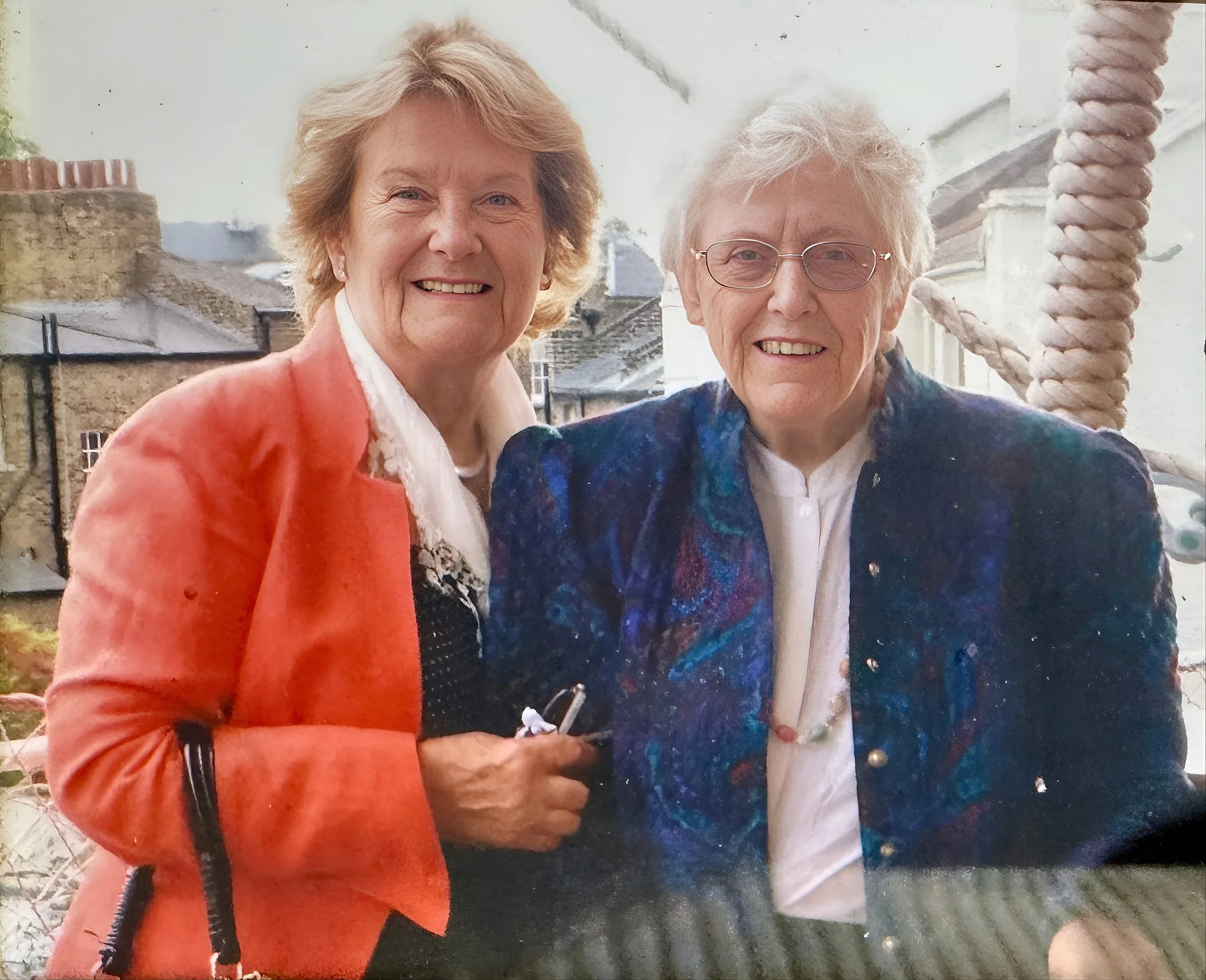
Pauline and Peter Lockett were close friends of Elizabeth Love. She trusted them to carry out her wishes, naming them as the executors of her will and the original trustees responsible for preserving her home and collection for the people of Pontefract.
Together with fellow trustees and volunteers, they helped turn the house into a museum. Objects were carefully packed and protected while rooms were repaired and decorated, an archive room established and the gardens improved—all while retaining the character of Elizabeth and Joe’s home.
The museum opened in August 2025. Trustees and volunteers continue to care for the building and collection, while the guided tours introduce visitors to the house, its objects and the family whose legacy made it possible.